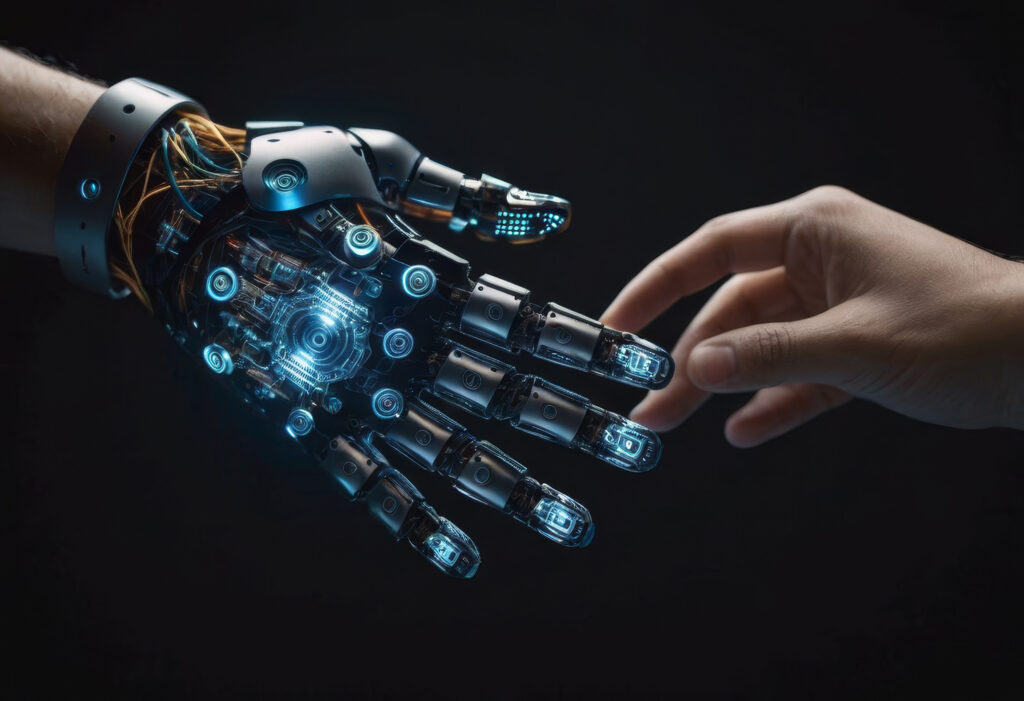
With rapidly expanding business automation, greater reliance on artificial intelligence (AI), and increased digitally driven businesses, many B2B marketers assume that adopting the latest technology leads directly to success. But as platforms scale and competition intensifies, tech alone is no longer a corporate differentiator. Personal connections remain the foundation of trust, loyalty, and long-term business success.
The real question isn’t whether organizations should choose high-tech or high-touch marketing. Success depends on how well they integrate both.
The most effective strategy is balance—leveraging automation for speed, efficiency, and scale, while preserving human interaction where it matters most. According to McKinsey, companies that blend personalized customer experiences with digital capabilities are 1.7 times more likely to increase market share than those that do not. B2B organizations that master this balance will stand out not for what they sell, but for the way they connect.
Understanding the Difference Between High-Tech and High-Touch
High-tech marketing relies on digital tools, automation, and AI to create and execute marketing strategies. These technologies help organizations streamline communications, personalize outreach at scale, and reduce manual workload for marketing and sales teams.
High-touch marketing, on the other hand, centers on human interaction. It prioritizes relationship-building through personalized service, emotional intelligence, and direct engagement, often through one-on-one conversations, consultations, or targeted engagement.
The distinction comes down to intent. High-tech prioritizes convenience, speed, and consistency. High-touch emphasizes empathy, trust, and connection. Both methods play essential roles throughout the buyer journey.
High-Tech Marketing: Fast, Scalable, and Data-Driven
Technology has transformed how companies engage prospects. With AI-powered tools and smart automation, marketers can reach thousands of individuals simultaneously, with messages tailored to behavior, preferences, and buying-state signals.
Some benefits of high-tech marketing include 24/7 availability, rapid responsiveness, consistent messaging across channels, lower cost per contact, scalable personalization, and actionable insights based on user behavior. Common tools include chatbots that handle inquiries in real time, email automation for lead nurturing and re-engagement, self-service portals that allow customers to locate information independently, and predictive analytics that recommend next steps.
Despite the clear benefits of automation, overreliance can introduce risk. When messaging feels scripted or impersonal, engagement suffers. For complex purchases or high-stakes decisions, technology alone often lacks the nuance and reassurance needed to establish confidence and credibility.
High-Touch Marketing: Personalization That Builds Loyalty
While high-tech marketing excels at efficiency, high-touch strategies deliver depth. In industries where expertise, trust, and long-term relationships are critical, nothing replaces human-to-human connection. In fact, 82% of B2B consumers seek more personalized human interactions with corporate partners.
High-touch marketing drives stronger emotional engagement, improved retention and referral rates, clearer communication around complex or high-stakes decisions, and opportunities to gather valuable feedback. Examples include personalized outreach from a dedicated account manager, in-depth strategy consultations, customized onboarding experiences, face-to-face meetings, and tailored follow-ups after key milestones.
Because these approaches require time and resources, it’s vital to deploy them strategically. The most effective B2B organizations prioritize high-touch efforts on high-value accounts and pivotal moments that influence long-term loyalty.
The Hybrid Model: High-Tech Efficiency + High-Touch Impact
Leading organizations blend automation with human interaction. This hybrid approach allows marketing and sales teams to scale intelligently without sacrificing authenticity.
For example, a chatbot can handle simple questions before escalating complex issues to a live specialist. An automation sequence could nurture leads until they’re ready for a personalized conversation. Behavioral data from self-service tools can trigger a personalized call from a sales rep or account manager.
The result is a more responsive, empathetic experience. Technology manages repetitive tasks, while individuals handle moments that require judgment, understanding, and relationship-building. Efficiency improves without losing the human element that clients value most.
When to Prioritize Each Approach
Choosing between high-tech and high-touch isn’t a one-time decision. It depends on the situation, audience, and desired outcome.
High-tech works best for:
- Onboarding processes
- Nurturing of low-risk or early-stage leads
- Knowledge assessment
- Resources delivery
- Event reminders
- Survey distribution
- Behavior-based follow-ups
High-touch works best for:
- Strategic planning
- Complex sales
- Contract negotiation and renewals
- Crisis or reputational communication
- Long-term relationship development
- Opportunities to surprise and delight clients
The most successful marketers don’t wait until something goes wrong to introduce the human touch. They proactively build connections early, often before a contract is even signed.
Technology Should Enhance the Human Experience, Not Replace It

The future of marketing isn’t about choosing automation over human conversation. It’s about knowing when efficiency matters most and when human interaction makes the greatest difference.
When teams are freed from repetitive tasks, they can focus time and energy on creativity, thoughtful engagement, and memorable experiences. That’s where trust is built, loyalty is earned, and differentiation happens. Even in a tech-driven world, people still want to do business with people.