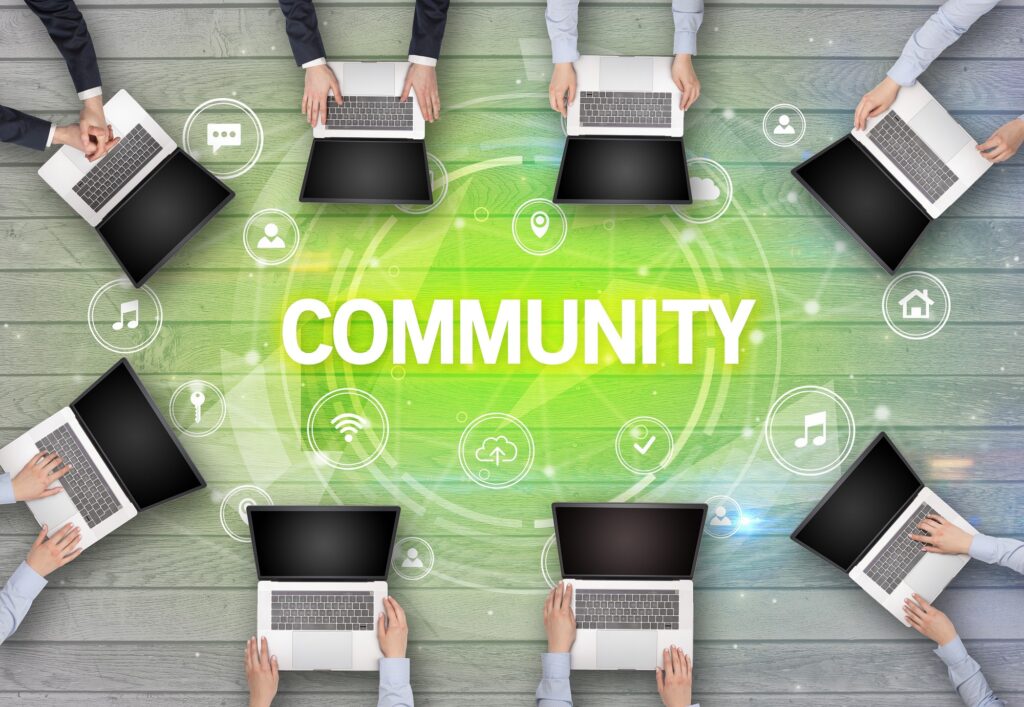

In an era of saturated inboxes and content overload, memorable marketing isn’t a catchy slogan or polished pitch. It comes from people. Specifically, people who tried your solution, wrestled with the same hurdles faced by other prospects, and are willing to recount their experience. That subtle force is fueling the rise of private communities and is gaining serious traction with B2B brands.
Private B2B communities are not the public social groups or mass email campaigns of old. Instead, they are purpose-built forums, invitation-only groups, and member hubs where users, partners, and moderators gather around a shared product or mission. For forward-looking companies, they will serve as core pillars of lasting brand engagement and loyalty.
The Rising Value of Private Communities
Private communities are gaining traction because they meet a basic, age-old need: people’s desire to belong. In the B2B world, that need also serves more significant business purpose. Prospects, clients, and other stakeholders seek advice from individuals who have walked the same path. They want real stories from those who survived the same rollout snag, solved the same scaling puzzle, or obtained actual value from a product or service.
A busy B2B community transforms a basic user forum into a powerful referral engine that delivers results in several ways. First, social proof earns trust faster than the driest case study or the priciest ad. Also, regular meet-ups keep customers loyal because they feel part of something larger than a contract. Additionally, brand value rises naturally when individuals link the service to learning, support, and success. Finally, open dialogue and raw insights provide marketing fresh testimonials, keywords, feedback, and use cases pulled straight from the field.
Done well, private communities can change the way is a company is perceived. Instead of being seen as a supplier, the brand becomes a partner who pulls everyone forward together.
How to Build Thriving B2B Communities
Principles powering private communities apply to organizations of any size. When companies follow a defined roadmap, it creates engagement and delivers real value. Here’s how:
-
Start with purpose.
Pinpoint who the community serves—prospects, existing customers, strategic partners—and explain what each member stands to gain. Clear intent pulls in the right people from the start.
-
Empower superusers.
Identify early adopters or outspoken customers and give them a voice to spark discussion, field questions, and shape culture.
-
Make communities about the participants.
Turn the spotlight away from the brand and focus on members who actively swap ideas, share support, and grow together. Offer unique value, like insider articles, beta slots, and sneak peeks, to keep the members coming back for more.
-
Align internally.
Marketing, product development, customer support, and sales need a shared plan and trackable metrics to clearly define, grow, and benefit from a healthy community.
Mitigating Challenges
Even the best-intentioned communities can stumble. It’s critical for B2B companies to be aware of common pitfalls and understand how to overcome them.
The first challenge is the lack of a plan. Launching and growing a successful community takes time and effort. Before introducing the community, design a strategic plan that defines goals, tactics, responsible parties, timelines, and budget.
The second hurdle is low engagement. Identify ways to seed the community space with FAQs, quick tips, personable welcome threads, and prompts to encourage members introduce themselves. Badges and spotlight posts for top contributors give members a reason to return.
Another pitfall occurs when there is no clear organizational ownership. A thriving space needs leadership to avoid feeling abandoned or unimportant. A dedicated community manager or cross-functional squad with shared responsibilities can manage this task. Without clear organization and accountability, energy and momentum slip away.
Lastly is return on investment (ROI) that relies on hard-to-measure clicks and likes that don’t tell the whole story. More impactful metrics include:
- Active members and participation rate
- New-member referrals by existing users
- Repeat visits or ongoing discussion thread depth
- The number of questions answered by peers instead of brand owners
- The weight of community-driven feedback on products
- Correlation between active members, lifetime value, and retention
- Qualitative feedback from members on how the community supports them.
While the definition of success shifts with changing goals, these metrics are generally good gauges. Over time, healthy groups can boost upsells, deepen product knowledge, and steady long-term growth.
Beyond Engagement

Ultimately, the goal for a B2B community is to build a place for belonging, which is a powerful differentiator. Private communities aren’t replacing traditional marketing channels—they’re reinforcing them. When people feel seen, heard, and supported within a brand ecosystem, they advocate, they refer, and they stay.
For B2B marketing leaders, now is the time to think beyond quarterly campaigns and content calendars. Community is a strategic asset that scales engagement, insight, and trust far wider than any single post.